
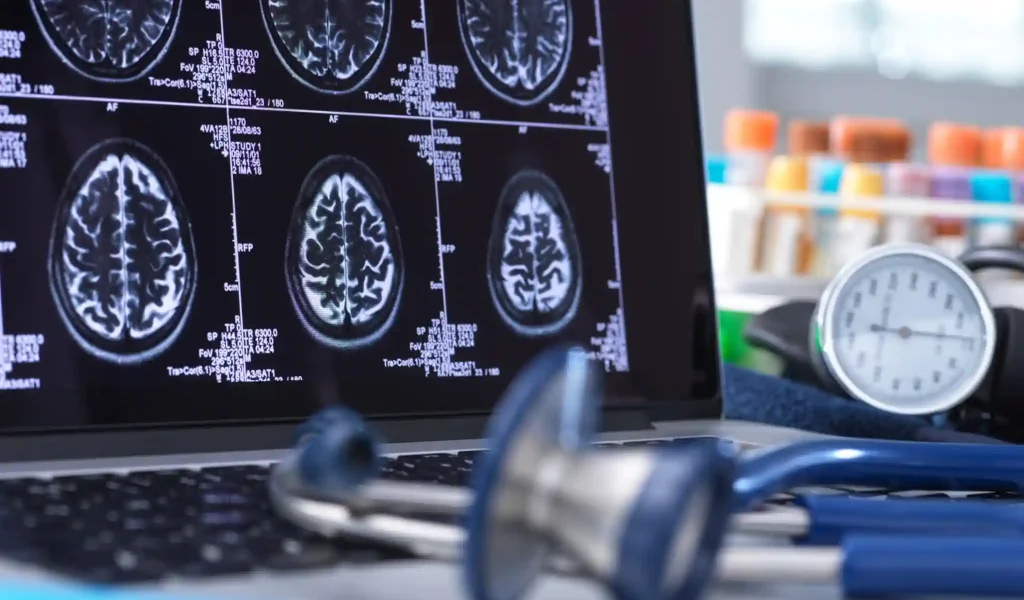
Artificial intelligence is reshaping many industries, and healthcare is no exception. Its integration is transforming how we approach diagnostics, making processes faster and more accurate. The challenges in traditional diagnostics often stem from human error, time constraints, and the sheer volume of data that healthcare professionals must analyze. With AI, we have the potential to address these issues effectively.
The role of AI in medicine extends beyond simple automation. It offers sophisticated tools that can analyze vast amounts of patient data quickly. This capability allows doctors to make informed decisions based on a more thorough understanding of individual cases. Traditional methods, while effective, often struggle to keep pace with the growing complexity of patient health data. In this environment, the importance of AI diagnostic accuracy becomes clear and unavoidable.
AI technologies can process information at speeds that humans simply cannot match. When a patient presents with symptoms, the ability to quickly analyze their medical history, lab results, and imaging studies can lead to a more accurate and timely diagnosis. This not only enhances the patient experience but can also improve overall healthcare outcomes.
Current Trends in AI for Diagnostic Accuracy
Several exciting trends are emerging in AI that enhance diagnostic accuracy. One significant area is the use of machine learning algorithms. These algorithms can learn from existing data, improving their predictions over time. For instance, in radiology, AI can analyze images and detect anomalies that a human eye might miss. This analysis is not only quicker but often more precise, leading to better patient care.
Machine learning models are trained on extensive datasets, enabling them to identify patterns that may not be immediately apparent to healthcare professionals. As these models evolve, they become adept at recognizing subtle indicators of disease, which can be critical in early detection. This capability is particularly important in fields like oncology, where early intervention can significantly affect patient prognosis.
Natural language processing (NLP) is another trend making waves in healthcare. This technology allows AI to interpret and analyze unstructured data, such as physician notes or patient histories. By understanding this data, AI can identify patterns that help in diagnosing conditions more accurately. With these advancements, healthcare providers can access insights that were previously buried in lengthy texts, allowing for a more comprehensive view of patient health.
Benefits of AI in Diagnostic Processes
AI’s contribution to diagnostic processes offers numerous benefits, enhancing the overall quality of care provided to patients. One of the most significant advantages is the reduction of human error. Doctors are human, and like everyone else, they can make mistakes. AI can serve as a second set of eyes, providing an additional layer of scrutiny. This partnership between AI and healthcare professionals enhances the overall diagnostic accuracy.
Faster diagnosis is another vital factor. In many cases, timely diagnosis can be the difference between life and death. AI tools can process information quickly, enabling faster decision-making. This efficiency means that patients can receive treatment sooner, which often leads to better health outcomes. With AI diagnostic accuracy on the rise, the healthcare system becomes more responsive to patient needs.
Case Studies Demonstrating AI Success
Real-world examples highlight the success of AI in diagnostics. In radiology, AI has made significant strides. Technologies developed to assist radiologists can analyze imaging studies with remarkable precision. For instance, studies have shown that AI can identify signs of conditions like cancer at earlier stages than traditional methods. This capability allows for timely interventions, ultimately saving lives.
A notable case involves the use of AI algorithms to analyze mammograms. Research has indicated that AI can outperform human radiologists in detecting breast cancer. By providing accurate assessments, AI helps reduce the number of false positives and negatives, leading to more reliable screening processes. This advancement not only boosts patient confidence but also allows healthcare providers to allocate resources more efficiently.
Pathology is another field where AI is proving its worth. AI systems are being used to analyze tissue samples for diseases. With improved accuracy, these tools help pathologists make better diagnoses. AI can highlight areas of concern in a sample, guiding the pathologist’s attention. These advancements foster a collaborative environment where AI and human expertise work hand-in-hand to enhance diagnostic accuracy.
Moreover, AI is also being implemented in dermatology, where it assists in diagnosing skin conditions. By analyzing images of skin lesions, AI algorithms can differentiate between benign and malignant growths. This application is particularly valuable in regions where access to dermatologists may be limited. AI-powered tools are expanding access to quality care, ensuring that patients receive timely evaluations and interventions.
Integrating AI with Existing Healthcare Systems
Despite the benefits, integrating AI into existing healthcare systems poses challenges. One major hurdle is interoperability. Healthcare facilities often use various systems that do not communicate seamlessly. For AI to be effective, it must be able to access and analyze data from different sources. Overcoming this barrier requires collaboration among technology developers and healthcare providers.
Training healthcare professionals to use AI tools is equally important. While many doctors are familiar with technology, AI presents a unique set of challenges. Educating healthcare workers on how to interpret AI-generated insights is essential. This training ensures that they can incorporate AI into their diagnostic processes effectively, enhancing overall patient care.
Ethical Considerations and Challenges
As we embrace AI in healthcare, we must also consider the ethical implications. Patient privacy and data security are paramount. With AI systems analyzing sensitive information, robust safeguards are necessary to protect patient data. Establishing clear guidelines on data usage is essential to maintain trust between patients and healthcare providers.
Furthermore, addressing bias in AI algorithms is another crucial ethical consideration. AI systems learn from existing data, and if that data is biased, the AI’s conclusions will be as well. It is essential to ensure that diverse datasets are used in training AI systems. This step helps improve AI diagnostic accuracy and ensures fair treatment for all patients.
Transparency is also a key ethical issue. Patients should understand how AI is being used in their care and the implications of those technologies. Clear communication fosters trust and ensures that patients feel informed and empowered regarding their health decisions.
Future of AI in Diagnostics
Looking ahead, the future of AI in diagnostics appears bright. Predictive analytics holds promise for preventative care. By analyzing patterns in patient data, AI can identify individuals at risk for certain conditions. This proactive approach allows healthcare providers to intervene before issues escalate, promoting better health outcomes.
For example, AI can analyze lifestyle factors, genetic predispositions, and historical health data to flag potential health risks. This capability enables healthcare providers to implement preventive measures, ultimately reducing the burden of chronic diseases on individuals and healthcare systems alike.
Personalized medicine is another area where AI is set to make a significant impact. By leveraging AI insights, healthcare providers can tailor treatment plans to individual patients. This personalization ensures that patients receive the most effective interventions based on their unique health profiles, further improving diagnostic accuracy.
As we continue to integrate AI into diagnostics, we can expect ongoing advancements in technology. Innovations such as real-time monitoring and wearable devices will enhance our ability to track patient health continuously. This data can provide invaluable insights for healthcare providers, leading to more informed decision-making.
Conclusion
The road ahead for AI in healthcare is filled with opportunities. As AI continues to evolve, we can expect even greater improvements in diagnostic accuracy and efficiency. Embracing these technologies will not only enhance patient care but also transform the healthcare landscape. By working together, healthcare professionals and AI can create a system that prioritizes accuracy and patient well-being.
As we stand on the brink of this transformation, it is essential to remain focused on the ultimate goal: better patient outcomes. The integration of AI into diagnostics is not just about technology. It is about ensuring that every patient receives the best possible care. With continued advancements in AI diagnostic accuracy, we are moving closer to that goal every day.
FAQs
1. How does AI improve diagnostic accuracy in healthcare?
AI enhances diagnostic accuracy by analyzing large datasets quickly, identifying patterns that humans might miss, and reducing the potential for human error.
2. What are the applications of machine learning in diagnostics?
Machine learning is used in various areas, such as radiology and pathology, to analyze images and tissue samples, improving the accuracy of diagnoses.
3. What role does natural language processing play in healthcare?
Natural language processing allows AI to interpret unstructured patient data, helping identify critical insights that support better diagnostic decisions.