
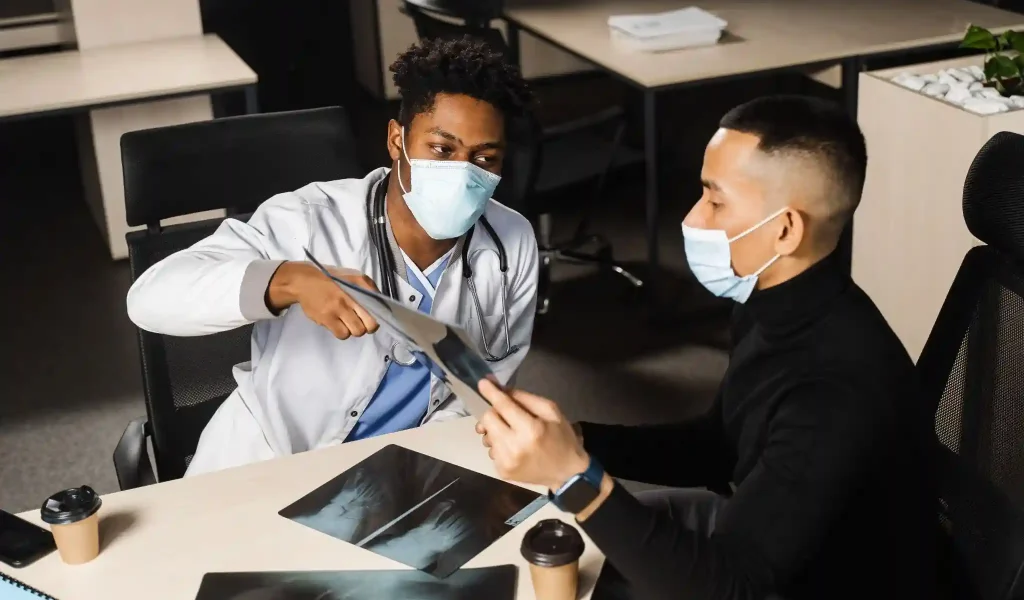
In the healthcare industry, patient safety is paramount. Every day, healthcare professionals strive to provide the best possible care, yet medical errors and adverse events still occur. These incidents can lead to serious consequences for patients and healthcare providers alike. Understanding how to reduce medical errors through effective patient safety practices is crucial for improving overall healthcare quality.
By implementing structured safety measures, healthcare facilities can create an environment that prioritizes patient well-being. This blog explores various patient safety practices that can significantly reduce medical errors and adverse events, ultimately leading to safer healthcare experiences for everyone involved.
Understanding Medical Errors and Adverse Events
Before delving into safety practices, it’s essential to understand what constitutes medical errors and adverse events. A medical error refers to a preventable mistake that occurs during the process of patient care. These errors can take various forms, from misdiagnosis and incorrect medication dosages to surgical mistakes. Each type of error can have serious repercussions, affecting patient health and trust in the healthcare system.
The Importance of Patient Safety Practices
The significance of patient safety practices cannot be overstated. They play a crucial role in enhancing patient outcomes and fostering a culture of trust within healthcare settings. When patients feel secure in their care, they are more likely to engage actively in their treatment, leading to better health outcomes.
Key Patient Safety Practices to Reduce Medical Errors
Standardized Protocols and Guidelines
One of the foundational elements of patient safety is the establishment of standardized protocols and guidelines. These protocols serve as a roadmap for healthcare providers, ensuring that everyone follows the same procedures when delivering care. For example, in surgical settings, using checklists has been shown to drastically reduce errors. These checklists help confirm that all necessary steps are taken before, during, and after a procedure.
Implementing standardized protocols not only reduces the likelihood of errors but also enhances teamwork among healthcare staff. When everyone is on the same page, it fosters collaboration and communication, which are vital for patient safety. The more consistent the care delivery, the fewer opportunities there are for mistakes to occur.
Effective Communication
Clear and open communication is another critical aspect of patient safety. Miscommunication among healthcare providers can lead to significant medical errors. For instance, if a nurse misinterprets a doctor’s order, the patient may receive the wrong medication or dosage. To combat this, healthcare facilities should encourage a culture of open dialogue where staff feel comfortable asking questions and clarifying information.
One way to enhance communication is through structured handoff processes. When transferring patient care from one provider to another, a standardized handoff protocol can help ensure that essential information is conveyed. Such practices minimize the risk of miscommunication and ensure that each provider has the information needed to make informed decisions.
Patient Involvement and Education
Engaging patients in their care is a vital strategy for reducing medical errors. Patients who understand their treatment plans and medications are less likely to experience mistakes. Educating patients about their health conditions, medications, and potential side effects empowers them to take an active role in their care.
One effective approach is medication reconciliation, where healthcare providers review a patient’s medications during each visit. This process helps identify any discrepancies and ensures that patients are aware of their current prescriptions. When patients feel informed and involved, they are more likely to speak up if something seems amiss, ultimately contributing to their safety.
Use of Technology and Electronic Health Records (EHR)
Technology plays a pivotal role in enhancing patient safety and reducing medical errors. Electronic Health Records (EHRs) allow for the efficient management of patient information, improving access to critical data. With EHRs, healthcare providers can quickly review a patient’s medical history, allergies, and current medications, reducing the chances of errors.
Moreover, technology can aid in medication management. Computerized Physician Order Entry (CPOE) systems help providers enter medication orders electronically, minimizing the risk of misinterpretation associated with handwritten prescriptions. Additionally, Clinical Decision Support Systems (CDSS) can alert providers to potential drug interactions or allergies, further enhancing patient safety.
Training and Education for Healthcare Professionals
Continuous Professional Development
Ongoing training and education for healthcare professionals are essential in promoting patient safety. The healthcare field is constantly evolving, and staying updated on the latest practices and technologies is crucial. Regular training sessions can help staff understand new safety protocols and reinforce the significance of patient safety.
Facilities should invest in continuing education programs that focus on patient safety practices. By providing opportunities for professional development, healthcare organizations can ensure that their staff remains knowledgeable and competent. This commitment to education ultimately contributes to reducing medical errors and enhancing patient care.
Simulation-Based Training
Simulation-based training is another effective method for preparing healthcare professionals for real-life scenarios. These training programs allow staff to practice their skills in a controlled environment, where they can learn from mistakes without putting patients at risk. Simulations can replicate various situations, such as emergency response or surgical procedures, providing valuable hands-on experience.
Monitoring and Reporting Systems
Importance of Reporting Errors and Near Misses
Establishing a culture that encourages the reporting of errors and near misses is vital for improving patient safety. When healthcare professionals feel comfortable reporting incidents without fear of punishment, valuable data can be collected to identify areas for improvement. This practice allows organizations to learn from mistakes and implement changes to prevent similar occurrences in the future.
Non-punitive reporting systems are essential for fostering this culture. By focusing on learning and improvement rather than assigning blame, healthcare facilities can create an environment where staff members prioritize patient safety. Encouraging open communication about errors helps to build a cohesive team dedicated to minimizing risks.
Data Analysis and Quality Improvement
Data analysis plays a crucial role in monitoring patient safety. By analyzing trends and patterns in reported incidents, healthcare organizations can identify recurring issues that need to be addressed. Quality improvement initiatives can then be developed to target these areas, ultimately reducing medical errors.
Creating a Culture of Safety
Leadership Commitment
Leadership commitment is fundamental in creating a culture of safety within healthcare organizations. When leaders prioritize patient safety, it sets the tone for the entire organization. Leadership should actively promote safety initiatives, allocate resources, and support staff in their efforts to reduce medical errors.
Encouraging Teamwork and Collaboration
Teamwork is essential in healthcare, especially for patient safety. Encouraging collaboration among healthcare professionals can significantly reduce errors. Interdisciplinary teams bring together diverse perspectives and expertise, enhancing decision-making and care delivery.
Conclusion
In conclusion, implementing effective patient safety practices is crucial for reducing medical errors and adverse events in healthcare. By establishing standardized protocols, fostering open communication, engaging patients in their care, and leveraging technology, healthcare organizations can create a safer environment for everyone involved. Continuous training, error reporting, and a strong commitment to safety from leadership are essential components of a culture that prioritizes patient well-being.
As we continue to strive for excellence in healthcare, we must recognize that patient safety is not just a responsibility; it is a commitment to ensuring the best possible outcomes for all patients. By embracing these practices, healthcare providers can significantly reduce medical errors and build a healthcare system that patients can trust.
FAQs
1. What are common medical errors in healthcare?
Common medical errors include medication mistakes, misdiagnoses, surgical errors, and communication breakdowns between healthcare providers.
2. How can technology improve patient safety?
Technology enhances patient safety through electronic health records, computerized physician order entry, and clinical decision support systems, which help prevent errors.
3. Why is patient involvement important in safety?
Patient involvement is crucial because educated patients can identify discrepancies in their care and actively participate in discussions about their treatment plans.