
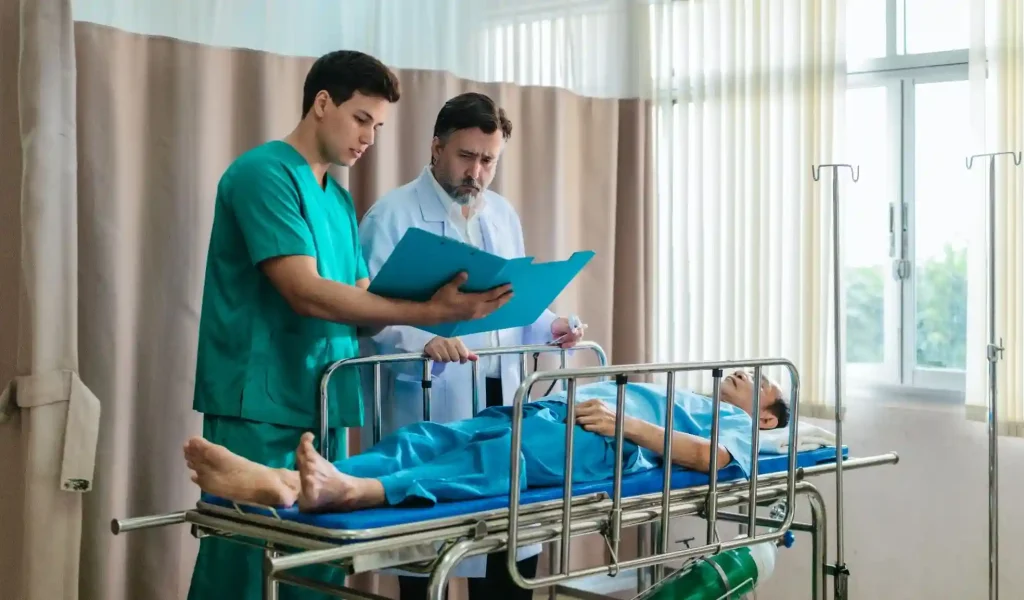
Hospitals are complex environments where doctors, nurses, technicians, and support staff work together to provide treatment for many patients at the same time. Because healthcare involves many steps, even small mistakes can lead to serious consequences. For this reason, hospitals rely on structured patient safety practices to reduce risks and improve treatment outcomes. These practices focus on clear communication, proper training, infection prevention, and careful monitoring of medical procedures.
Patient safety is not just about avoiding errors. It also involves building systems that help healthcare teams detect risks early and respond quickly. When hospitals create a strong safety culture, they improve trust between patients and healthcare professionals. Understanding how patient safety practices work helps explain why they are essential for reliable healthcare delivery.
Understanding the Importance of Patient Safety in Hospitals
Defining Patient Safety in Clinical Care
Patient safety refers to the prevention of harm caused by healthcare services rather than the patient’s illness itself. Hospitals perform many procedures each day, from medication administration to surgery. Without structured safety systems, the chances of errors increase.
Consequences of Medical Errors
Medical errors can have serious consequences for both patients and hospitals. Patients may experience longer recovery times, additional treatments, or emotional stress. In severe cases, errors can lead to life-threatening complications. Hospitals may also face legal challenges and financial losses when mistakes occur.
Global Safety Standards in Healthcare
Healthcare organizations around the world follow international safety guidelines to maintain consistent care quality. Accreditation programs and safety frameworks encourage hospitals to monitor outcomes and report incidents. These systems help hospitals learn from mistakes and improve clinical procedures over time. By following recognized safety standards, hospitals strengthen their commitment to reliable patient care.
Creating a Culture of Safety in Hospitals
Leadership Responsibility for Safety
Hospital leadership plays a major role in building a culture of safety. Administrators and department heads must demonstrate that patient safety is a priority. When leaders support safety programs, allocate resources for training, and encourage transparency, healthcare teams are more likely to follow safety procedures carefully. Leadership involvement ensures that patient safety practices are applied across every department.
Encouraging Transparent Error Reporting
Healthcare professionals sometimes hesitate to report mistakes because they fear blame or punishment. Hospitals that promote open reporting create opportunities for learning and improvement. When staff members can report incidents without fear, hospitals gain valuable information about system weaknesses. This allows healthcare teams to adjust procedures and prevent similar events in the future.
Continuous Staff Training and Education
Healthcare knowledge and technology evolve constantly. Staff members must stay informed about new treatment methods and safety guidelines. Training sessions, workshops, and simulation exercises help healthcare professionals strengthen their understanding of patient safety practices. Ongoing education ensures that staff members remain prepared to handle complex situations safely.
Effective Communication as a Core Safety Practice
Importance of Clear Clinical Communication
Communication is one of the most important factors in patient safety. Doctors, nurses, pharmacists, and other professionals must share accurate information about patient conditions and treatment plans. When communication is unclear or incomplete, the risk of errors increases. Structured communication systems help healthcare teams exchange information in a consistent and reliable way.
Standardized Handoff Procedures
Patient handoffs occur when responsibility for a patient’s care moves from one healthcare provider to another. This often happens during shift changes or when patients are transferred between departments. If information is missing during a handoff, treatment mistakes may occur. Standardized handoff procedures help ensure that critical details about the patient’s condition and treatment plan are shared clearly.
Patient and Family Engagement
Patients and their families can also contribute to safer healthcare. When patients understand their diagnosis, medications, and treatment plans, they can ask questions and report unusual symptoms. Encouraging patient participation improves transparency and helps healthcare teams identify potential concerns earlier.
Medication Safety and Error Prevention
Common Causes of Medication Errors
Medication errors are among the most frequent problems in healthcare settings. These errors may involve incorrect prescriptions, wrong dosages, or confusion between similar medication names. Busy hospital environments can increase the risk of these mistakes. Patient safety practices focus on reducing these risks through clear prescribing guidelines and careful verification procedures.
Technology Supporting Safe Medication Use
Digital tools play an important role in medication safety. Electronic prescribing systems reduce handwriting errors and allow doctors to review patient records before prescribing medications. Barcode systems confirm that the correct medication is given to the correct patient. Automated pharmacy systems also help prevent mistakes during medication preparation.
Infection Prevention and Control Measures
Risks of Hospital-Acquired Infections
Hospital-acquired infections occur when patients develop infections during medical treatment. These infections can spread through contaminated equipment, surfaces, or direct contact. Patients with weakened immune systems are especially vulnerable. Preventing these infections is a central goal of patient safety practices.
Hygiene and Sterilization Protocols
Hand hygiene is one of the most effective ways to reduce infection risks. Healthcare professionals must follow strict handwashing procedures before and after interacting with patients. Hospitals also sterilize medical equipment and maintain clean environments to reduce the spread of harmful bacteria.
Monitoring and Isolation Procedures
When patients have contagious conditions, hospitals may place them in special isolation rooms. Protective clothing and equipment help prevent infections from spreading to other patients or staff members. Infection control teams monitor infection trends within hospitals to detect problems early.
Safe Surgical Practices and Procedure Protocols
Preoperative Safety Checklists
Surgical procedures involve many steps that must be carefully coordinated. Preoperative checklists help surgical teams confirm important details before the procedure begins. These checklists verify patient identity, surgical location, and the planned operation. This process significantly reduces the risk of surgical errors.
Operating Room Safety Standards
During surgery, medical teams follow strict safety procedures. Equipment is checked, sterile conditions are maintained, and the patient’s vital signs are closely monitored. Team members communicate continuously to ensure that every step of the procedure is performed correctly.
Postoperative Monitoring and Recovery
After surgery, patients require careful monitoring during recovery. Nurses and physicians observe vital signs and watch for signs of complications such as infection or bleeding. Early detection allows healthcare teams to respond quickly and prevent further problems.
Patient Identification and Documentation Accuracy
Importance of Accurate Patient Identification
Accurate patient identification is one of the most basic elements of safe healthcare. Hospitals treat many patients simultaneously, and incorrect identification can lead to medication or treatment errors. Identification bracelets and digital records help verify patient identity before procedures are performed.
Role of Electronic Health Records
Electronic health records allow healthcare teams to access patient information quickly. These systems store medical history, medications, laboratory results, and treatment plans. Reliable digital records improve coordination between departments and reduce communication gaps.
Preventing Documentation Errors
Even with digital systems, documentation mistakes can occur if information is entered incorrectly. Hospitals address this risk through standardized forms and routine verification. Accurate documentation supports safe treatment decisions and improves overall patient care.
Technology and Innovation in Patient Safety
Digital Monitoring Systems in Hospitals
Modern hospitals use digital monitoring tools to track patient health continuously. These systems measure vital signs such as heart rate, oxygen levels, and blood pressure. When abnormal readings occur, alerts notify healthcare staff so they can respond immediately.
Artificial Intelligence for Risk Detection
Artificial intelligence tools are beginning to assist hospitals in identifying health risks earlier. By analyzing patient data, these systems can detect warning signs that might otherwise be overlooked. Early identification allows doctors to intervene before conditions worsen.
Smart Devices and Remote Monitoring
Wearable health devices and remote monitoring equipment allow healthcare teams to observe patient conditions even outside traditional hospital settings. These technologies provide real-time health information and support faster medical responses.
Conclusion
Hospitals depend on well-organized safety systems to protect patients and ensure reliable treatment. Patient safety practices address many aspects of healthcare, including communication, infection prevention, medication management, and surgical procedures. When hospitals apply these practices consistently, they reduce risks and improve patient outcomes.
Creating a safe healthcare environment requires cooperation from leadership, healthcare professionals, and patients. Training, transparency, and the use of modern technology all contribute to safer care. Hospitals that prioritize patient safety not only prevent harm but also build trust within the communities they serve.